
How a batter falls
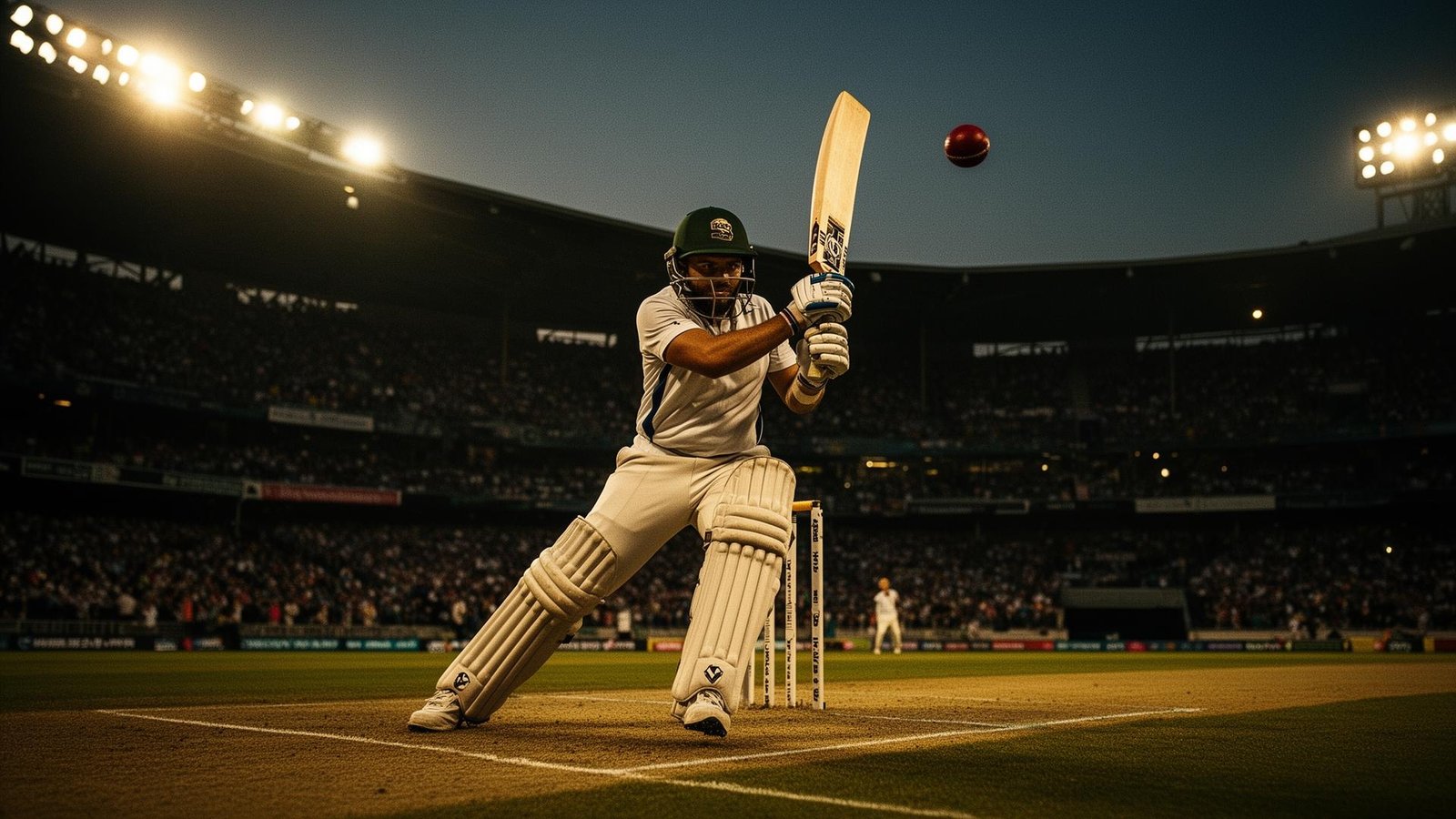
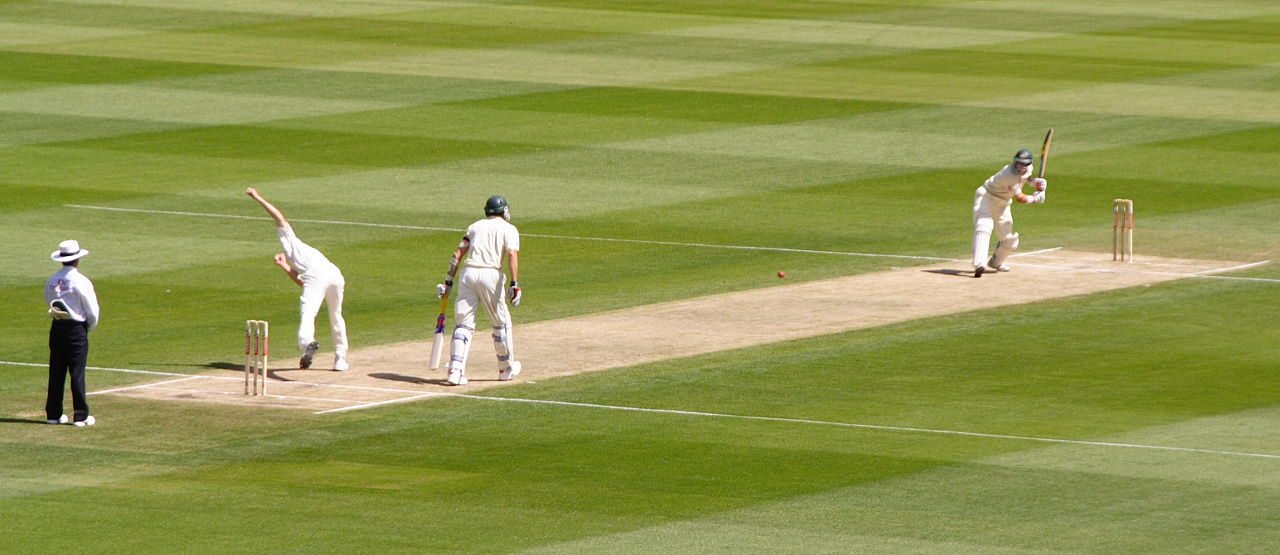
Cricket has ten methods of dismissal — eight common, two practically extinct. Master these and you have read the spine of the laws.
Bowled
The bowler delivers a ball that hits the stumps and dislodges the bails.
Caught
A fielder catches the ball on the full after it touches the bat or glove.
LBW (Leg Before Wicket)
Ball would have hit the stumps but was intercepted by the batter's pad — pitching, impact and wicket-line all factor in.
Run Out
Stumps broken with the ball while the batter is out of their ground attempting a run.
Stumped
Wicket-keeper breaks the stumps when the batter is out of the crease and not attempting a run.
Hit Wicket
Batter dislodges their own bails with bat, body or equipment while playing a shot.
Obstructing the Field
Batter willfully obstructs or distracts the fielding side.
Handled the Ball
Now merged into Obstructing the Field — touching the ball with a hand not on the bat without consent.
Timed Out
Incoming batter fails to be ready to face the next ball within the allotted time (3 minutes in Tests, 2 in ODIs).
Hit the Ball Twice
Batter strikes the ball a second time other than to guard the wicket.